vie rurale
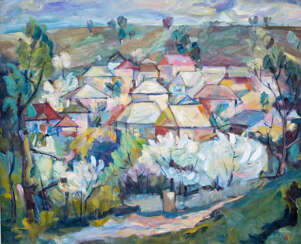


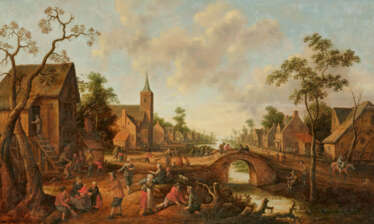

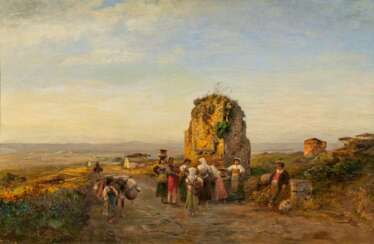

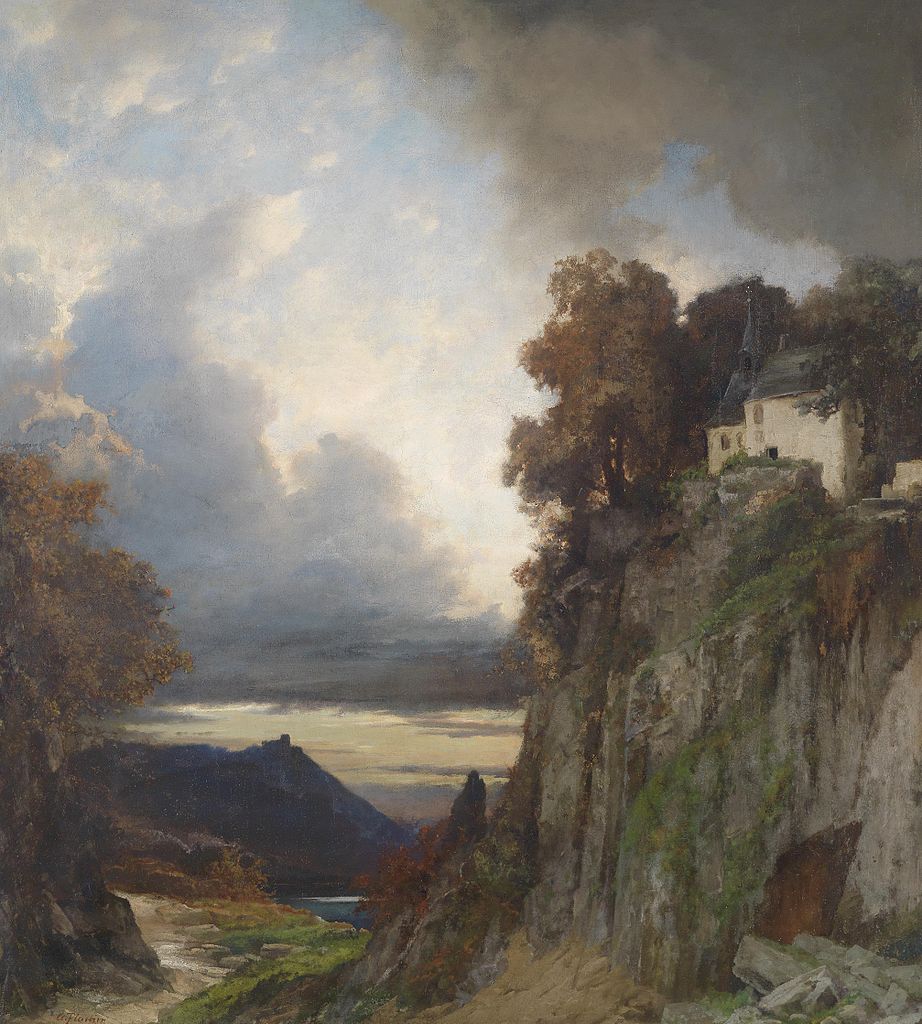
Albert Flamm was a German artist of the Düsseldorf school. He studied architecture at the Dusseldorf Academy of Art and in Antwerp. In 1841 he turned to painting and became a pupil of Andreas Achenbach. In 1848 Flamm became one of the founders of the Malkasten artists' association.
Albert Flamm painted mainly Italian landscapes, recognised for their truthfulness of nature, their vivid colours and their virtuosic treatments. He often chose an elevated viewing position to be able to create wide panoramic perspectives in warm, bright sunlight and with finely rendered detail.
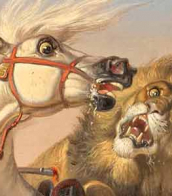



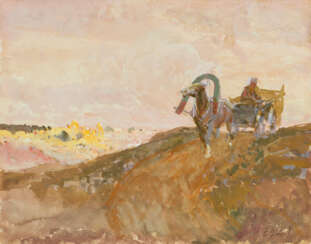

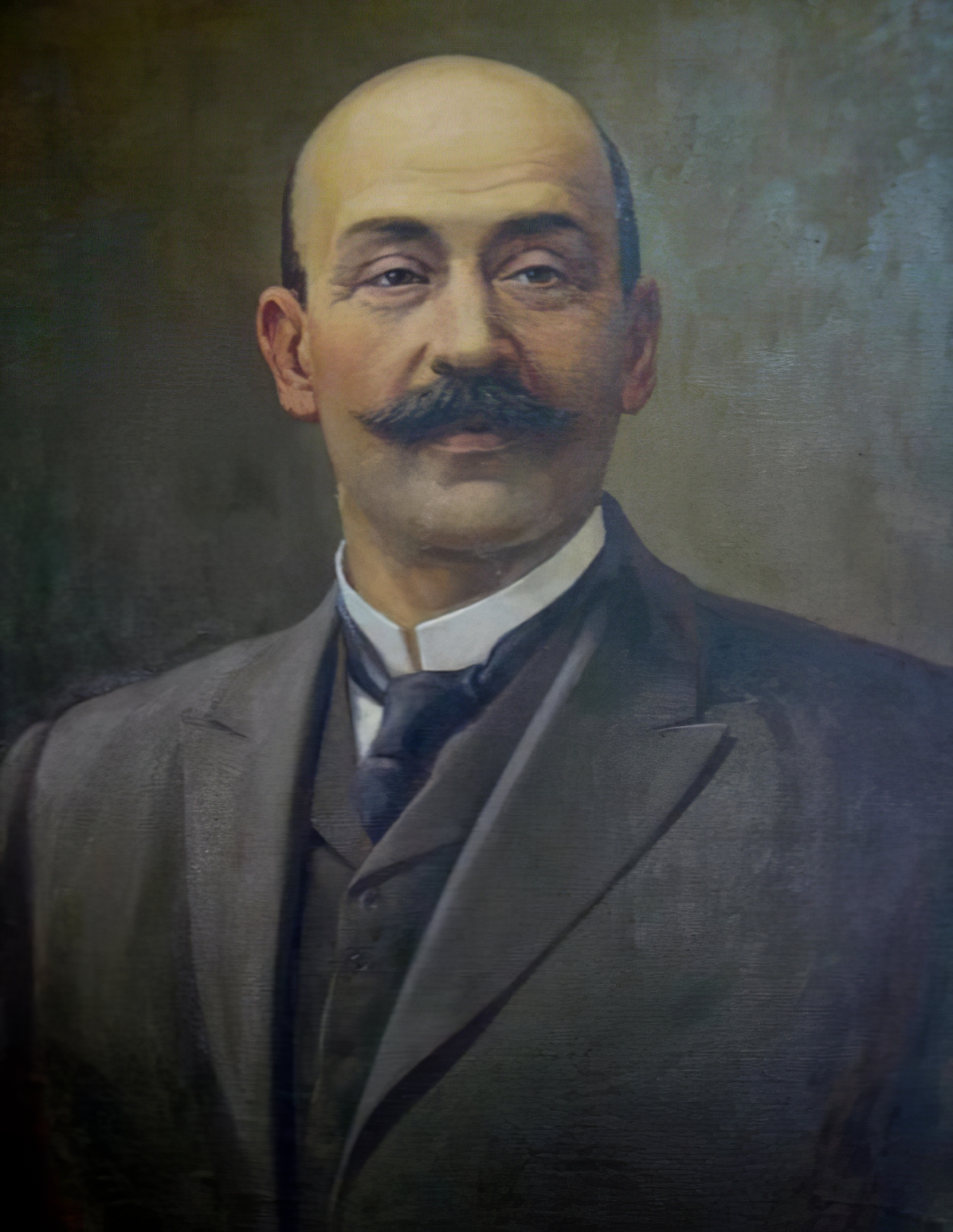
Franz Roubaud (Russian: Франц Алексеевич Рубо) was a Russian painter, known for his panoramic paintings and battle scenes. Born in Odessa in 1856, Roubaud studied at the Imperial Academy of Arts in St. Petersburg and furthered his education in Munich. His works are celebrated for their meticulous detail and dynamic composition.
One of his most famous works is the "Siege of Sevastopol," a monumental panorama depicting a key event from the Crimean War. This masterpiece is housed in the Panorama Museum in Sevastopol and stands as a testament to Roubaud's ability to convey historical grandeur and emotional intensity.
Roubaud's contributions to Russian art extend beyond his canvases, as he was also a respected professor at the Academy of Arts in St. Petersburg. His legacy continues to influence modern Russian painters, and his works are sought after by collectors and art enthusiasts worldwide.
Stay updated on new product sales and auction events related to Franz Roubaud (Rubo) by signing up for our newsletter. Don’t miss the chance to own a piece of history!



.jfif)
Camille Pissarro, a Danish-French artist, was a linchpin of the Impressionist and Neo-Impressionist movements. Born in 1830 on the island of St. Thomas, Pissarro's Jewish-Portuguese heritage and upbringing in the Danish West Indies infused his work with a unique perspective. He is celebrated for his depictions of rural and urban French life, particularly his landscapes that eschew artifice, highlighting the simple beauty of the natural world and the dignity of common people.
Pissarro's influence on the art world was profound. Not only was he a central figure in the Impressionist movement, helping to organize the collective's exhibitions, but he also mentored future Post-Impressionist masters like Cézanne, Gauguin, and van Gogh. His colleagues revered him for his wisdom, balance, and warmhearted nature. Pissarro's dedication to the Impressionist ethos was unparalleled; he was the only artist to exhibit in all eight Paris Impressionist exhibitions from 1874 to 1886.
Among his notable works, Pissarro's 'Hay Harvest at Eragny' (1887) exemplifies his shift towards Neo-Impressionism. This piece, housed at the Van Gogh Museum in Amsterdam, showcases his exploration of tonal values and pointillism. Another poignant work, 'Jeanne Holding a Fan', captures the fragile beauty of his young daughter during her illness, and is a testament to his ability to convey deep personal emotion through art. This work is displayed at The Ashmolean Museum in Oxford.
For art collectors and enthusiasts, Pissarro's works remain a testament to the transformative power of Impressionism and its impact on modern art. His paintings, characterized by their revolutionary depictions of everyday life and nature, continue to be celebrated in major museums around the world.
To stay informed about upcoming sales and auction events featuring works by Camille Pissarro, sign up for our updates. This subscription is an opportunity for collectors and art experts to connect with the enduring legacy of one of Impressionism's pivotal figures.










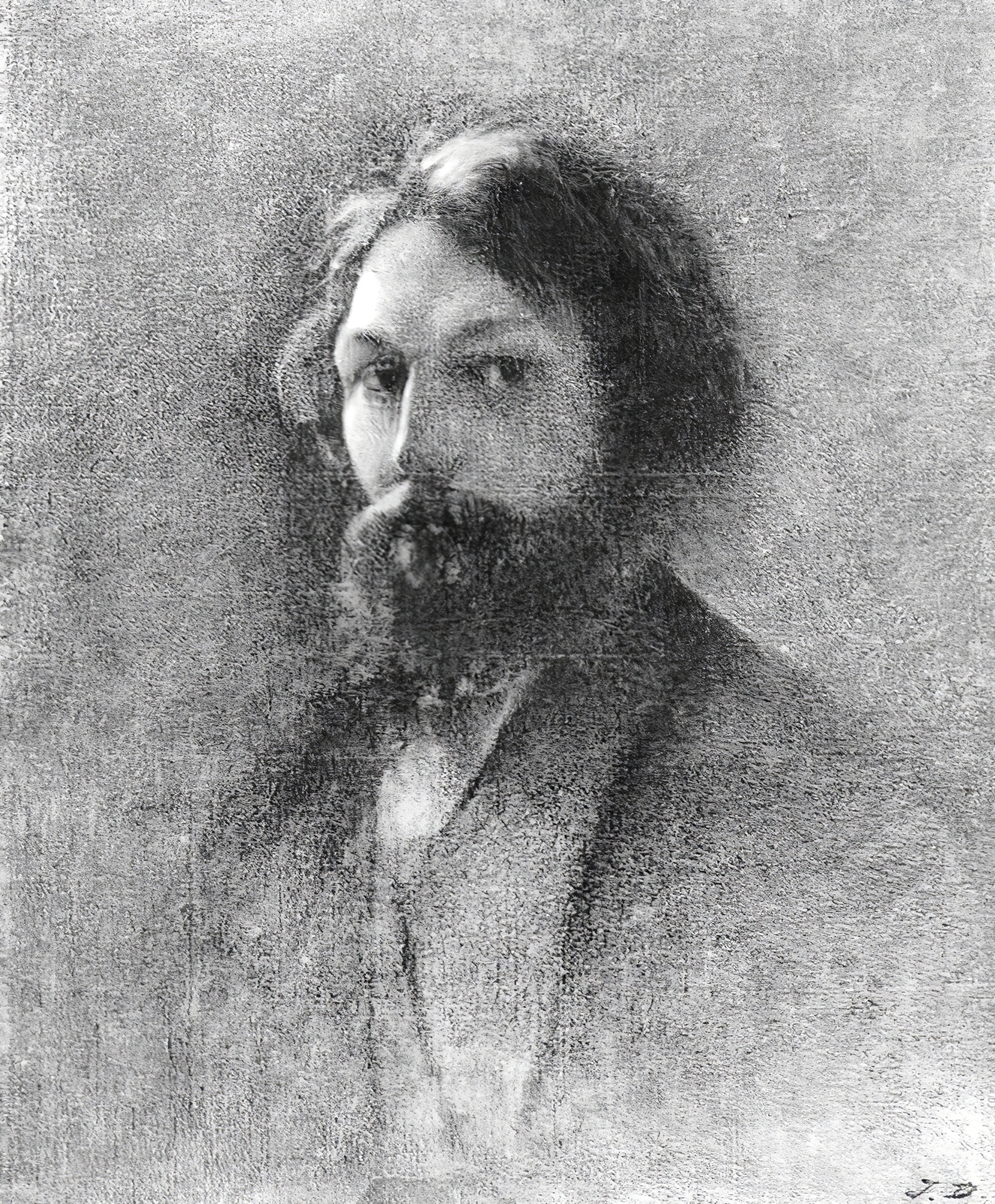
Jules Louis Dupré was a French painter, one of the chief members of the Barbizon school of landscape painters. If Corot stands for the lyric and Rousseau for the epic aspect of the poetry of nature, Dupré is the exponent of its tragic and dramatic aspects.








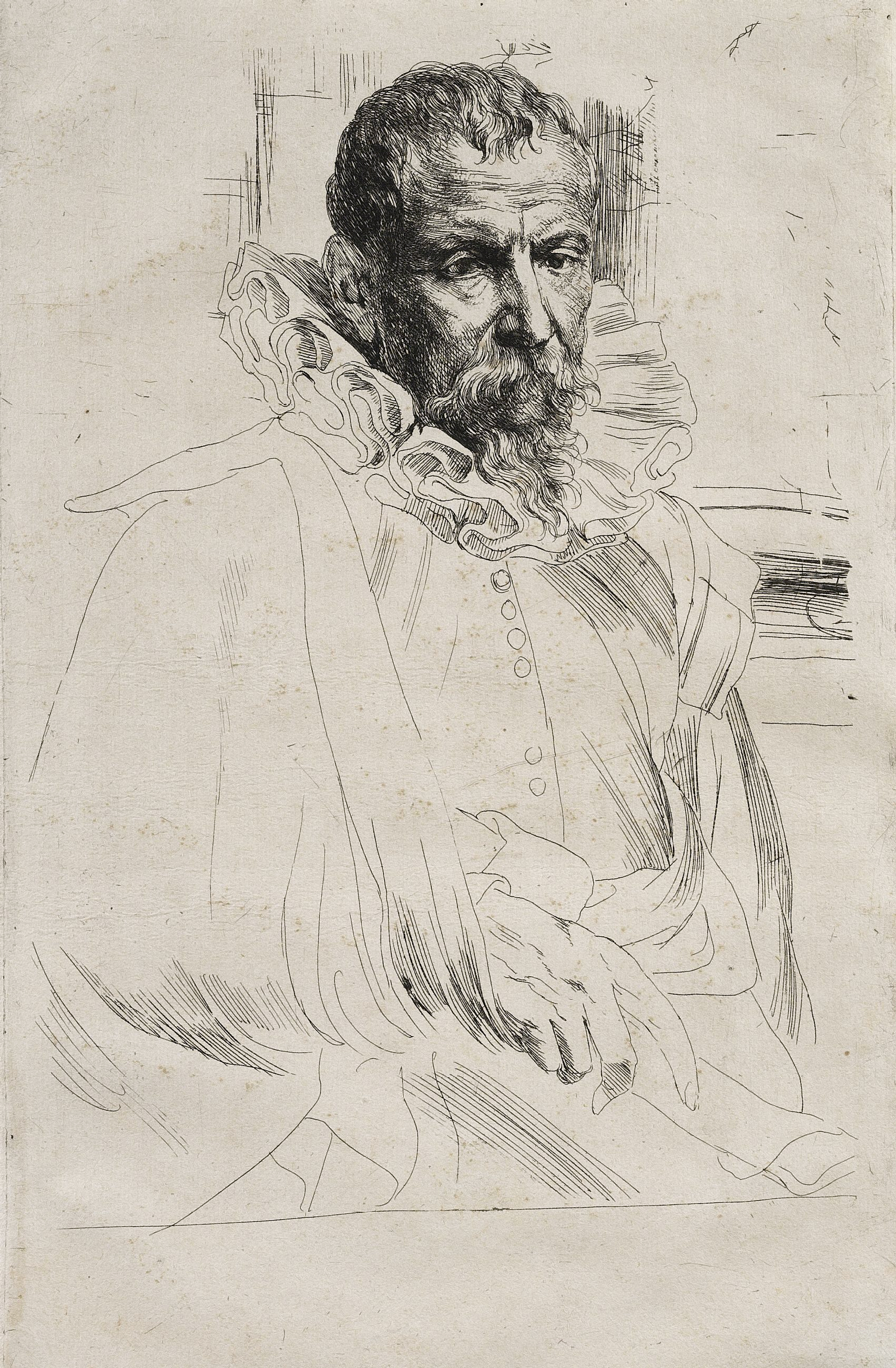
Pieter Brueghel the Younger was a Flemish artist celebrated for his detailed landscapes, religious themes, proverbs, and vibrant village scenes. Despite being the son of the illustrious Pieter Bruegel the Elder, Brueghel the Younger carved out his own niche in the art world, earning the moniker 'Hell Brueghel' for his dynamic scenes of fires and energetic copies of his father's peasant life portrayals.
Brueghel the Younger's original creations, such as "The Village Lawyer," showcase his keen observation of village life, merging the energy and boldness of 17th-century style with his father's idiom. His work is characterized by its lively, picturesque depiction of peasants, albeit some critics argue they lack the subtlety and humanism of his father's creations. Despite this, Brueghel the Younger's legacy includes a significant number of original works and copies that were rediscovered in the 20th century, highlighting his contribution to the Flemish painting tradition.
His workshop was known for its prolific output, especially in producing copies of Bruegel the Elder's compositions, a testament to the enduring popularity and influence of the Bruegel family's artistic legacy. However, Brueghel the Younger also impressed with his unique compositions, contributing to the genre of still life and village scenes with a distinct style that resonated well into modern times.
For collectors and experts in art and antiques, Pieter Brueghel the Younger's works represent an important period in Flemish art, offering insights into the evolution of genre painting and the detailed portrayal of rural life. His paintings, held in esteemed collections worldwide, continue to be studied and admired for their vibrancy, narrative quality, and historical value.
To explore more about Pieter Brueghel the Younger and to stay updated on sales and auction events related to his work, signing up for specialized updates can offer exclusive insights into the world of this influential Flemish painter. This subscription ensures enthusiasts and collectors are well-informed about developments related to Brueghel the Younger's oeuvre, enhancing their appreciation and understanding of his artistic legacy.
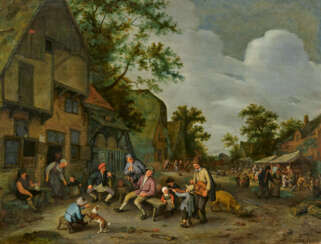

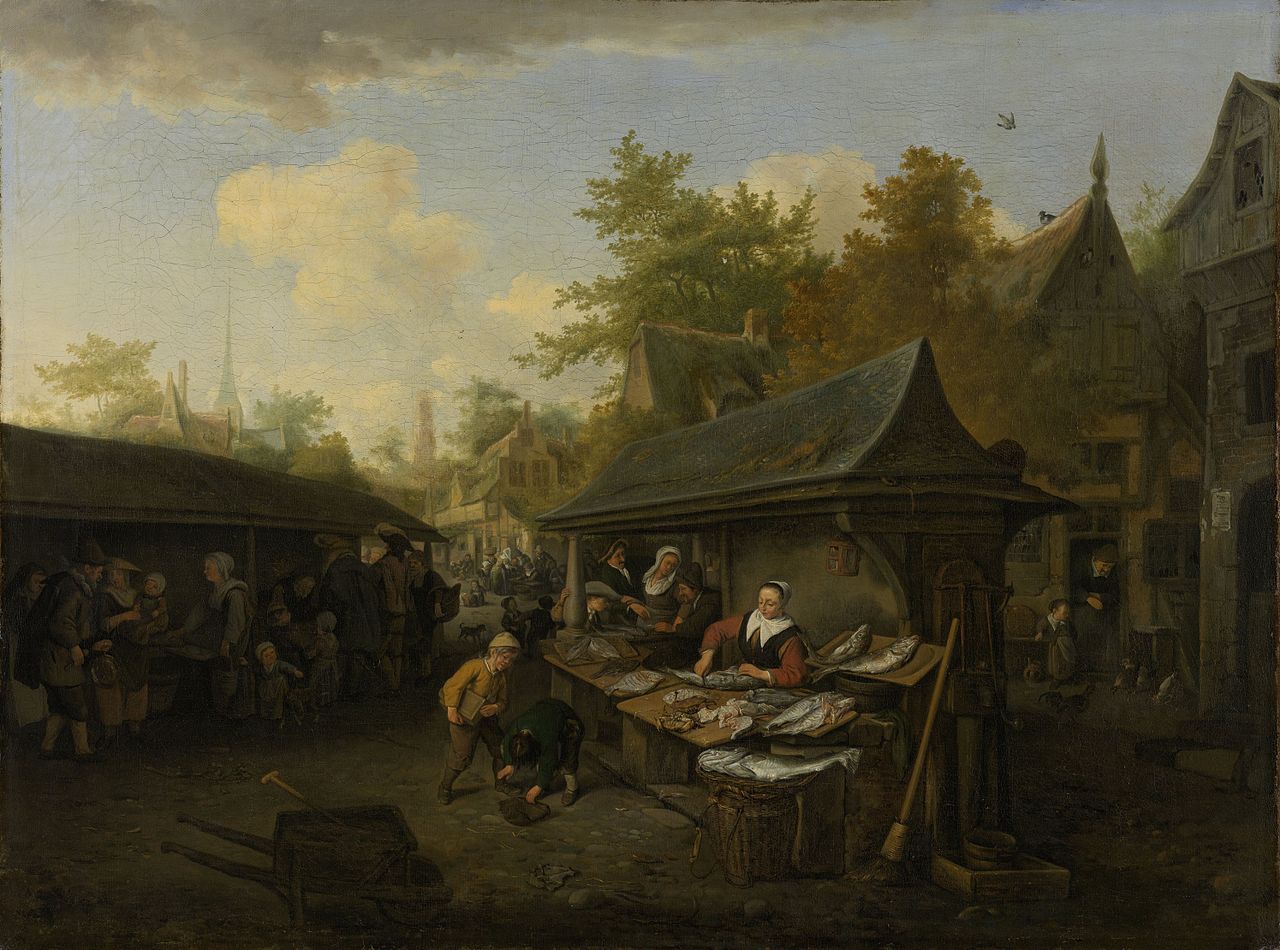
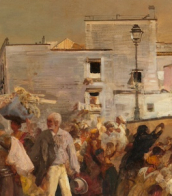
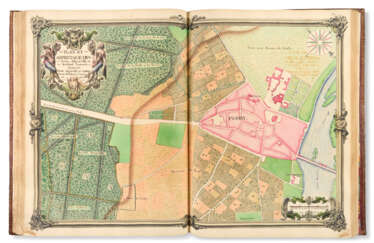


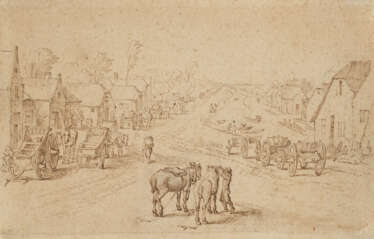

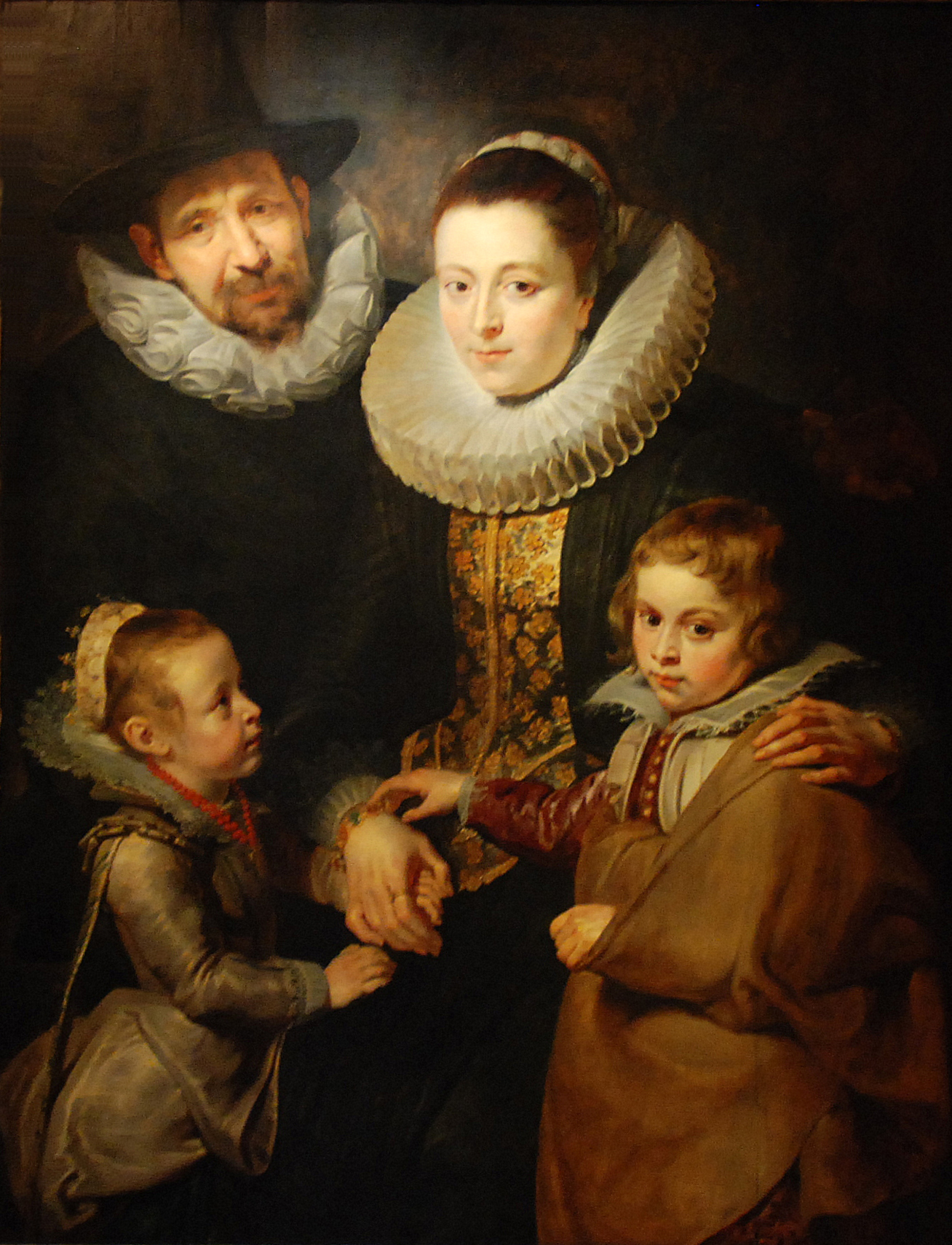
Jan Brueghel the Elder, a Flemish painter born in 1568 in Brussels, was a pivotal figure in the Baroque period known for his intricate landscapes, detailed still lifes, and genre scenes. The son of Pieter Bruegel the Elder, Jan was distinguished by his delicate brushwork, earning him the nicknames "Velvet" Brueghel, "Flower" Brueghel, and "Paradise" Brueghel, each reflecting a different aspect of his versatile artistic output. His monikers refer to his skill in rendering fabrics, his specialization in flower still lifes, and his creation of the paradise landscape genre, respectively.
After early training in Brussels, possibly under the guidance of his grandmother Mayken Verhulst, and further studies in Antwerp, Brueghel ventured to Italy, where he worked in Rome under the patronage of Cardinal Ascanio Colonna and met influential artists like Paul Bril. His Italian sojourn greatly influenced his style, especially in landscape painting. Upon returning to Antwerp, he established a flourishing workshop and became a master in the Guild of St. Luke. Brueghel's collaborations with Peter Paul Rubens are among the most celebrated in art history, showcasing a harmonious blend of landscape and figure painting.
Jan Brueghel the Elder's works are prized for their vibrant depiction of nature and meticulous attention to detail. His landscapes are not just backdrops but are lively settings filled with rich narratives and a variety of creatures, reflecting his deep appreciation for the natural world. His flower pieces are equally renowned for their variety and realism, often serving as allegorical or symbolic representations.
Brueghel's legacy extends beyond his paintings; he was a pivotal figure in the Antwerp artistic community, serving as dean of the Guild of St. Luke and court painter to the Archduke Albert of Austria and the Infanta Isabella Clara Eugenia of Spain. His influence continued through his children, with his son Jan Brueghel the Younger continuing his workshop and maintaining the family's artistic traditions.
For collectors and experts in art and antiques, Jan Brueghel the Elder's works represent a high point in Flemish Baroque art, offering a glimpse into the era's aesthetic values and the artist's profound observation of the world around him. His paintings, found in museums and galleries worldwide, continue to captivate audiences with their beauty and depth.
To stay informed about new discoveries, sales, and auction events related to Jan Brueghel the Elder's work, consider signing up for updates. This subscription will ensure that you are always in the know about opportunities to engage with the enduring art of this Flemish master.

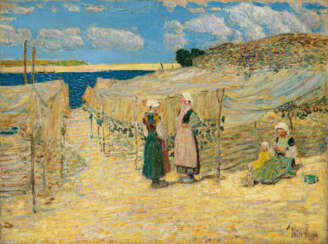

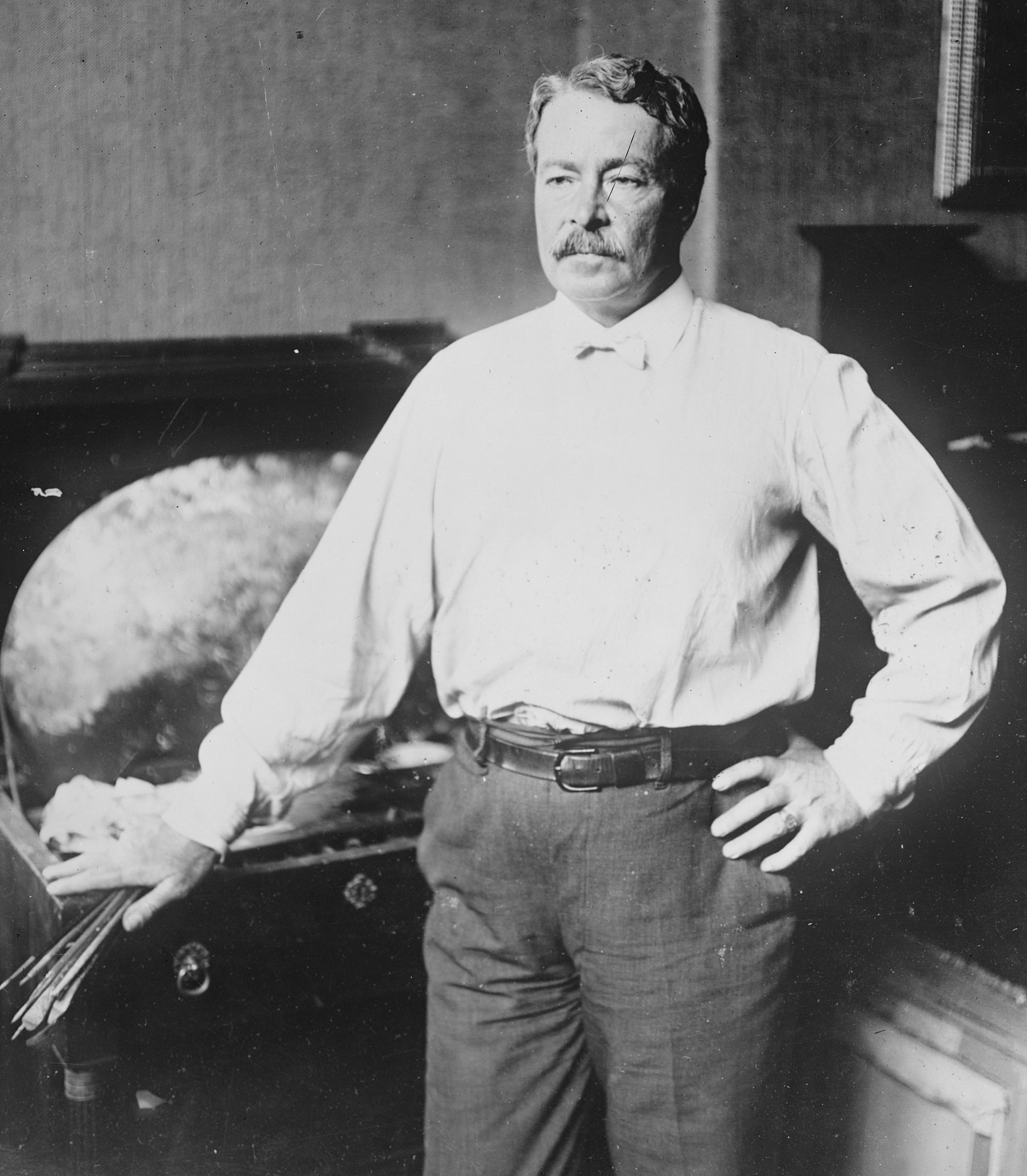
Frederick Childe Hassam was an American Impressionist painter, celebrated for his urban and coastal scenes. Born on October 17, 1859, in Dorchester, Massachusetts, Hassam was a pivotal figure in introducing French Impressionism to the American art scene. His prolific output includes over 3,000 works ranging from oils and watercolors to etchings and lithographs.
Hassam's technique was characterized by the use of light and vibrant colors, often focusing on bustling cityscapes and tranquil New England coastlines. He spent significant periods in Europe, particularly Paris, where he absorbed elements of the avant-garde styles of the time. Despite this, he often emphasized a connection to English landscape traditions over French ones.
Some of his most acclaimed works capture the essence of places like the Isles of Shoals in Maine and East Hampton in Long Island, where he later made his summer home. These settings often featured in his paintings, reflecting the picturesque and serene landscapes that contrasted with his urban subjects.
Hassam's legacy includes his influence on American collectors and institutions, helping to cultivate a taste for Impressionism in the United States. His works are held in major museums, including the Metropolitan Museum of Art and the Museum of Modern Art, ensuring his continued recognition as a key figure in American art history.
For those interested in exploring more about Hassam's life and works, signing up for updates on exhibitions and sales can provide valuable insights into his contributions to Impressionism. Subscribe for updates on new collections and auction events related to Frederick Childe Hassam's artworks.
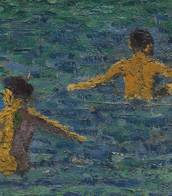


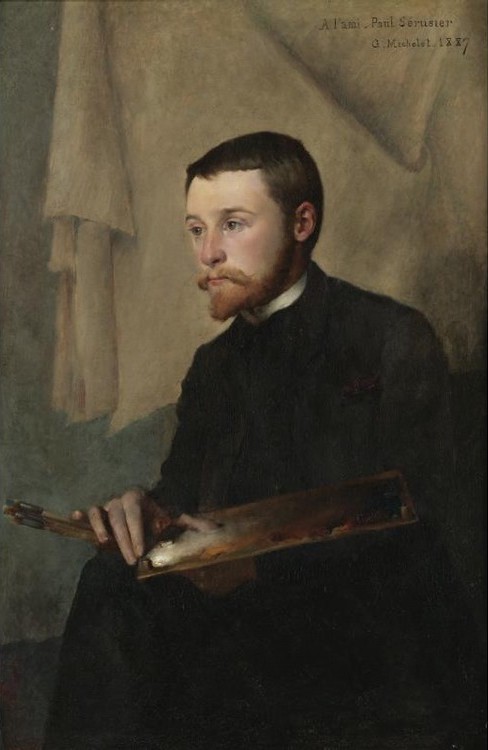
Paul Sérusier was a French Post-Impressionist painter and theorist, notable for his significant contributions to the art movement known as the Nabis. Born in Paris on November 9, 1864, Sérusier's work is characterized by its expressive use of color and pattern, inspired by the techniques of Paul Gauguin. He is best known for his exploration of color, sensation, and abstraction, particularly evident in works like "Le Talisman, the Aven River at the Bois d'Amour" (1888). This painting marks a departure from the Impressionists' more faithful representation of observed reality, focusing instead on translating sensations onto the canvas with vibrant brushstrokes and an emphasis on emotional expression over visual accuracy.
Sérusier's paintings often feature the landscapes and people of Brittany, notable for their contemplative mood achieved through firm contours and blocks of unmodulated color. His style evolved under the influence of Synthetism and Cloisonnism, favoring flattened forms and large swathes of color, as seen in "Farmhouse at le Pouldu" (1890). This approach reflects a decorative organization of objects, emphasizing the craft and execution of the scene.
Some of Sérusier's notable works are housed in prestigious museums such as the Musée d'Orsay in Paris, including "Portrait of Paul Ranson in Nabi Costume" (1890) and "Landscape" (1912). His legacy extends beyond his own artworks; he was a key figure in the formation of the Nabis movement, and his theoretical contributions have had a lasting impact on the art world.
For collectors and experts in art and antiques, Sérusier's work represents a unique blend of post-impressionist and symbolist styles, making his pieces highly valued both for their historical significance and their aesthetic appeal. To stay updated on new product sales and auction events related to Paul Sérusier, sign up for our updates. This subscription service is exclusively focused on providing information related to Sérusier's work, ensuring you remain informed about opportunities to acquire pieces by this influential artist.



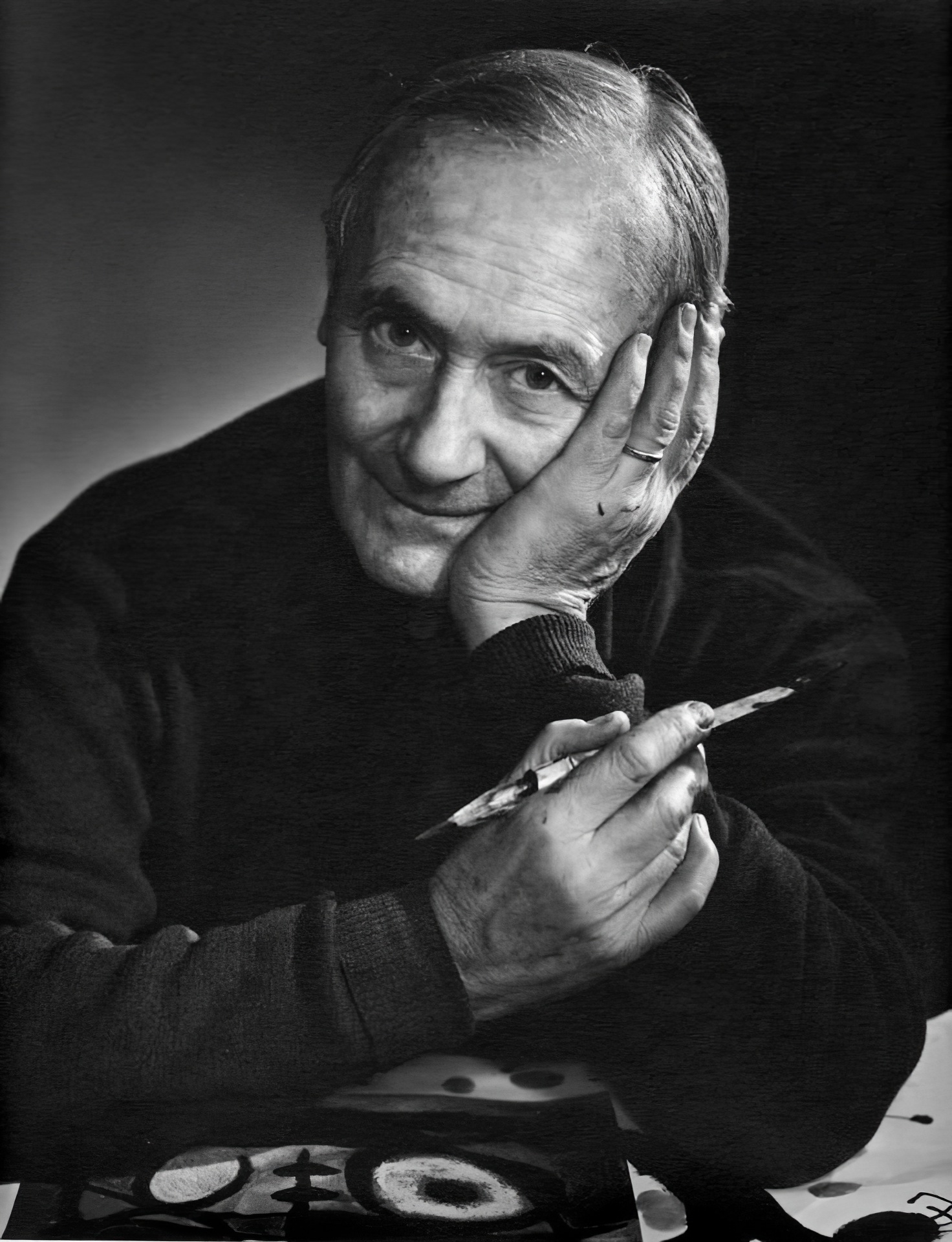
Joan Miró, a celebrated Spanish artist, was a master in painting, sculpture, and ceramics, renowned for his unique style that blurred the lines between Surrealism, Fauvism, and Expressionism. Born in Barcelona to a family of a goldsmith and a watchmaker, Miró grew up immersed in the rich cultural heritage of the Barri Gòtic neighborhood. His artistic journey began with drawing classes at the age of seven and continued at the prestigious La Llotja art academy. Despite an initial venture into the business world, Miró's passion for art prevailed, leading him to abandon his clerical career after a nervous breakdown.
Miró's work is noted for its exploration of the subconscious, often depicting a childlike perspective. This approach was both a critique of traditional painting methods and a means of expressing Catalan pride. His art, challenging to categorize, often featured symbolic elements and nationalistic qualities. One of his notable early works, "The Farm," reflects a transition to a more individual style, blending elements of his Catalan roots with broader artistic influences. This piece, later purchased by Ernest Hemingway, encapsulated the essence of Spain in its imagery.
In Paris, Miró joined the Surrealist movement in 1924, where his work began to reflect the influence of automatism, emphasizing spontaneous, automatic, or subconscious creation. He experimented with various mediums, including painting-poetry and collage, and even ventured into set and costume design for Sergei Diaghilev's Ballets Russes.
During World War II, Miró remained in Spain, and his work from this period, including the 22 Constellations series, reflected an interest in the night, music, and stars. His forms became increasingly abstracted, and he experimented with various techniques, often incorporating primary colors and evocative titles.
Miró's career spanned several decades, during which he continually evolved his style and explored new mediums. His contributions to art were recognized with numerous awards and retrospectives, including a major career retrospective at MoMA in 1941 and the Spanish Gold Medal for Fine Arts in 1980. Among his last major works was a tapestry for the World Trade Center in New York City, created in 1974.
For art collectors and enthusiasts, Joan Miró remains a figure of immense interest, not only for his distinct style and contributions to Surrealism but also for his ability to blend poetic imagery with political commentary. To stay updated on new product sales and auction events related to Joan Miró, sign up for our updates and immerse yourself in the world of this extraordinary artist.
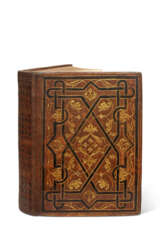
![[CASSIANUS BASSUS].](/assets/image/picture_2734808/2c4cc/78858778bf950ae1ebd945a192744a241679526000jpg__fix_374_244.jpeg)
![[CASSIANUS BASSUS].](https://veryimportantlot.com/assets/image/picture_2734808/2c4cc/78858778bf950ae1ebd945a192744a241679526000jpg__fix_374_244.jpeg)